Exploring the realm of Zero-Waste Living: Small Changes, Big Impact, this introduction sets the stage for a captivating journey into the world of sustainable living.
Providing insights and practical tips, this piece aims to inspire individuals to make meaningful changes towards a more eco-friendly lifestyle.
Introduction to Zero-Waste Living
Zero-waste living is a lifestyle that focuses on reducing the amount of waste we produce in our daily lives. The core principle is to minimize the generation of waste by making conscious choices that prioritize sustainability and environmental impact.
One key concept of zero-waste living is the idea of reducing waste at the source. This means preventing waste from being created in the first place, rather than just managing it after it's already been generated. By adopting this approach, individuals can significantly reduce their environmental footprint and contribute to a healthier planet.
Small Changes with Big Impact
- Avoiding single-use plastics by using reusable bags, water bottles, and containers.
- Composting organic waste to reduce landfill contributions and create nutrient-rich soil.
- Choosing products with minimal or recyclable packaging to reduce waste generation.
- Opting for digital receipts and bills to cut down on paper waste.
- Repairing and repurposing items instead of discarding them when they are no longer in use.
Benefits of Zero-Waste Living
Living a zero-waste lifestyle can have numerous benefits, not only for the environment but also for your health and finances. By reducing waste, you can make a significant impact on the planet, save money in the long run, and improve your overall well-being.
Environmental Impacts of Adopting a Zero-Waste Lifestyle
Embracing a zero-waste lifestyle helps reduce the amount of waste that ends up in landfills, incinerators, and oceans. This, in turn, minimizes pollution, conserves resources, and protects ecosystems and wildlife. By opting for reusable items, composting organic waste, and choosing products with minimal packaging, you can significantly decrease your carbon footprint and contribute to a healthier planet.
How Zero-Waste Living Can Save Money
One of the key benefits of zero-waste living is the potential for long-term cost savings. By investing in reusable products, buying in bulk, and reducing unnecessary purchases, you can cut down on expenses associated with single-use items and packaging. Additionally, adopting a minimalist approach to consumption can help you prioritize quality over quantity, leading to savings in the long term.
Health Benefits Associated with Reducing Waste
Reducing waste can also have positive impacts on your health. By choosing fresh, unpackaged foods, avoiding harmful chemicals in products, and reducing exposure to plastic toxins, you can create a healthier living environment for yourself and your family. This shift towards a more natural and sustainable lifestyle can lead to improved overall well-being and lower risks of health issues related to environmental toxins.
Practical Tips for Zero-Waste Living
Living a zero-waste lifestyle is not as challenging as it may seem. By making small changes in our daily habits, we can significantly reduce our environmental footprint. Here are some practical tips to help you embrace zero-waste living:
Reducing Single-Use Plastics
Single-use plastics are a major contributor to environmental pollution. To reduce your plastic waste, consider the following strategies:
- Carry a reusable water bottle and coffee cup with you to avoid using disposable ones.
- Bring your own reusable bags when grocery shopping to eliminate the need for plastic bags.
- Avoid purchasing products with excessive plastic packaging; opt for items with minimal or recyclable packaging instead.
Composting Organic Waste
Composting is an excellent way to reduce food waste and create nutrient-rich soil for gardening. Here are some ideas to help you start composting at home:
- Set up a compost bin in your backyard or use a composting service if you live in an apartment.
- Compost fruit and vegetable scraps, coffee grounds, eggshells, and yard waste to divert organic materials from the landfill.
- Use the compost you create to nourish your garden and reduce the need for chemical fertilizers.
Shopping Mindfully and Reducing Packaging Waste
Mindful shopping habits can have a significant impact on reducing packaging waste. Consider the following tips when making purchases:
- Buy in bulk whenever possible to reduce packaging waste from individual servings.
- Choose products with minimal or biodegradable packaging to limit your environmental impact.
- Support local farmers markets and stores that offer package-free options for a more sustainable shopping experience.
Zero-Waste Lifestyle in Different Areas
Incorporating zero-waste principles into various areas of our daily lives can significantly reduce our environmental impact. Let's explore how these principles can be applied in the kitchen, in personal care and beauty routines, and in home cleaning.
Kitchen
- Avoid single-use plastics by using reusable containers, utensils, and bags.
- Shop in bulk to minimize packaging waste.
- Compost food scraps to reduce landfill waste.
- Opt for fresh produce instead of packaged goods.
Personal Care and Beauty Routines
- Choose package-free or refillable products for skincare and cosmetics.
- Make your own DIY beauty products using natural ingredients.
- Use reusable cotton pads or cloths instead of disposable ones.
- Invest in sustainable and eco-friendly beauty tools like bamboo toothbrushes.
Home Cleaning
- Make your own non-toxic cleaning products using simple ingredients like vinegar, baking soda, and essential oils.
- Use washable cleaning cloths instead of paper towels.
- Opt for concentrated cleaning solutions to reduce packaging waste.
- Choose products with minimal or recyclable packaging.
Community and Social Impact of Zero-Waste Living
Living a zero-waste lifestyle not only benefits the individual but also has a significant impact on the community and society at large. The role of community support in adopting zero-waste habits, the influence of zero-waste living on social circles, and the potential for policy changes are all crucial aspects to consider.
Community Support in Adopting Zero-Waste Habits
Community support plays a vital role in encouraging individuals to adopt zero-waste habits. When people come together to share resources, knowledge, and tips on reducing waste, it creates a supportive environment that motivates others to make sustainable choices. Community initiatives such as zero-waste workshops, swap meets, and group clean-up projects can inspire and empower individuals to embrace a zero-waste lifestyle.
Influence on Social Circles
Living a zero-waste lifestyle can have a ripple effect on social circles. By leading by example, individuals who practice zero-waste living can influence their friends, family, and colleagues to rethink their consumption habits and make more sustainable choices. This influence can create a positive domino effect, leading to a wider adoption of zero-waste practices within a social circle and beyond.
Policy Changes and Societal Impact
The collective effort of individuals practicing zero-waste living can also drive policy changes and have a larger societal impact. As more people embrace sustainable practices, there is a growing demand for eco-friendly policies and regulations at the local, national, and global levels.
This can lead to changes in waste management systems, the reduction of single-use plastics, and the promotion of recycling and composting programs, ultimately shaping a more sustainable future for society as a whole.
Challenges and Solutions in Zero-Waste Living
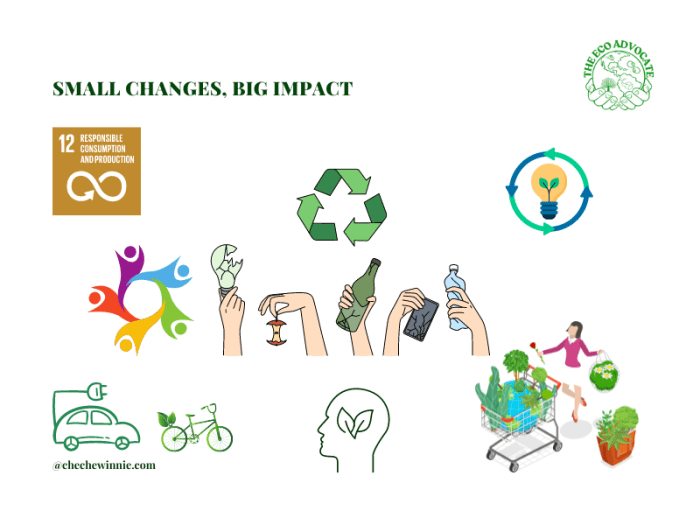
Transitioning to a zero-waste lifestyle comes with its own set of challenges, but with determination and the right strategies, these obstacles can be overcome. It's essential to address these challenges to maintain a sustainable zero-waste living approach.
Common Challenges in Zero-Waste Living
- Overcoming convenience: Convenience is a major challenge when trying to reduce waste. Single-use items are readily available and breaking the habit of using them can be difficult.
- Dealing with packaging: Excessive packaging on products can make zero-waste shopping challenging. Finding package-free alternatives can be time-consuming.
- Social pressure: Peer pressure and societal norms can make it tough to stick to a zero-waste lifestyle, especially in social gatherings or events.
- Cost considerations: Some zero-waste products may come at a higher price point, making it a financial challenge for some individuals.
Solutions for Overcoming Challenges
- Start small: Begin by making gradual changes to your daily habits instead of trying to transition completely overnight. Small steps can lead to significant progress.
- Educate yourself: Learn about sustainable living practices and zero-waste alternatives to make informed decisions. Knowledge empowers you to make better choices.
- Community support: Join local zero-waste groups or online communities for support and tips. Surrounding yourself with like-minded individuals can help you stay motivated.
- Plan ahead: Be prepared by carrying reusable items like bags, containers, and water bottles with you. Planning ahead can help you avoid generating waste in unexpected situations.
Importance of Resilience and Commitment
Maintaining a zero-waste lifestyle requires resilience and commitment. It's essential to stay focused on your goals and be adaptable to overcome challenges that may arise. By staying dedicated to reducing waste and making sustainable choices, you can make a positive impact on the environment and inspire others to do the same.
Closing Summary
In conclusion, Zero-Waste Living: Small Changes, Big Impact offers a glimpse into the transformative power of simple actions in creating a sustainable future for all.
Popular Questions
What are some easy ways to start living a zero-waste lifestyle?
Start by reducing single-use plastics, composting organic waste, and shopping mindfully to minimize packaging waste. Small changes can lead to a big impact.
How can zero-waste living benefit the environment?
Adopting a zero-waste lifestyle helps reduce landfill waste, conserves resources, and minimizes pollution, contributing to a healthier planet.
What are the challenges people face when transitioning to zero waste?
Common challenges include convenience, societal norms, and initial costs. Overcoming these hurdles requires dedication and a shift in mindset.