Embark on a journey into the realm of Energy-Efficient Smart Devices for Sustainable Homes, where innovation meets sustainability. Discover how these devices revolutionize energy consumption in homes, paving the way for a greener future.
Exploring the various types of devices, their benefits, and key features will shed light on the potential savings and environmental impact they offer.
Introduction to Energy-Efficient Smart Devices
Energy-efficient smart devices are technological innovations designed to minimize energy consumption in homes while providing convenience and control to users. These devices are equipped with advanced features such as automation, remote monitoring, and energy-saving modes to optimize energy usage.
Using energy-efficient smart devices in sustainable homes is essential for reducing overall energy consumption, lowering utility bills, and decreasing carbon footprint. By leveraging these devices, homeowners can actively contribute to environmental conservation efforts and promote a more sustainable lifestyle.
Examples of Energy-Efficient Smart Devices
- Smart Thermostats: These devices regulate the temperature based on occupancy patterns and user preferences, optimizing heating and cooling energy consumption.
- Smart Lighting Systems: LED bulbs and automated lighting controls help reduce electricity usage by adjusting brightness levels and scheduling lighting according to need.
- Smart Power Strips: These power strips detect standby power consumption in connected devices and automatically cut off power to reduce energy wastage.
- Smart Appliances: Energy-efficient refrigerators, washing machines, and dishwashers are equipped with sensors and energy-saving modes to minimize electricity and water usage.
- Solar Panels: Solar energy systems harness renewable energy from the sun to power homes and reduce dependency on traditional grid electricity.
Benefits of Energy-Efficient Smart Devices
Smart devices are revolutionizing the way we interact with our homes, offering a wide range of benefits that contribute to sustainability and cost savings. When it comes to energy-efficient smart devices, the advantages are even more significant.Energy-efficient smart devices have the capability to monitor and adjust energy consumption based on usage patterns and environmental conditions.
This proactive approach to energy management results in reduced energy wastage and ultimately leads to lower utility bills. In comparison to traditional devices, energy-efficient smart devices can achieve substantial energy savings over time.
Comparison of Energy Savings
Energy-efficient smart devices, such as smart thermostats, smart lighting systems, and smart appliances, can significantly decrease energy consumption compared to their traditional counterparts. For example, a smart thermostat can learn your heating and cooling preferences and adjust the temperature accordingly, leading to optimized energy usage.
Studies have shown that households using smart thermostats can save up to 15% on heating and cooling costs.
Real-life Examples of Reduced Energy Costs
Many homeowners have experienced tangible savings on their energy bills after incorporating energy-efficient smart devices into their homes. For instance, a family in California reported a 20% reduction in their electricity bills after installing smart lighting systems that automatically adjust brightness levels based on natural light availability and occupancy.Overall, the benefits of energy-efficient smart devices go beyond just convenience and comfort.
They play a crucial role in promoting sustainability, reducing energy consumption, and ultimately saving homeowners money in the long run.
Types of Energy-Efficient Smart Devices
Energy-efficient smart devices come in various categories, each designed to optimize energy usage in a sustainable manner. These devices are equipped with advanced technologies to monitor and control energy consumption efficiently, contributing to cost savings and environmental benefits.
Smart Thermostats
Smart thermostats are programmable devices that regulate heating and cooling systems based on usage patterns and preferences. They can learn user habits and adjust temperature settings automatically, leading to reduced energy waste. Examples include Nest Thermostat and Ecobee SmartThermostat.
Smart Lighting
Smart lighting systems use LED bulbs and sensors to adjust brightness levels and turn off lights when not in use. They can be controlled remotely via smartphones or voice commands, allowing users to customize lighting schedules for energy savings. Brands like Philips Hue and Lutron Caseta offer smart lighting solutions.
Smart Appliances
Energy-efficient smart appliances, such as refrigerators, washing machines, and dishwashers, are equipped with sensors and connectivity features to optimize energy consumption. They can operate during off-peak hours or adjust settings for maximum efficiency. Examples include Samsung Smart Refrigerators and LG Smart Washing Machines.
Solar Panels and Energy Storage
Solar panels generate electricity from sunlight, reducing reliance on traditional power sources. Coupled with energy storage systems like Tesla Powerwall, excess energy can be stored for later use, maximizing self-consumption and minimizing grid dependency.
Smart Power Strips
Smart power strips can detect when devices are in standby mode and automatically cut off power to prevent energy wastage. They also offer remote control options and scheduling features to manage power consumption efficiently. Brands like TP-Link and Belkin provide smart power strip solutions.
Features to Consider When Choosing Energy-Efficient Smart Devices
When selecting energy-efficient smart devices for your home, it is crucial to consider key features that can enhance sustainability and efficiency. Compatibility with existing home systems plays a significant role in ensuring seamless integration and optimal performance. Certain features can greatly impact the overall sustainability of a home by reducing energy consumption and promoting eco-friendly practices.
Compatibility with Existing Home Systems
One of the most important features to consider when choosing energy-efficient smart devices is compatibility with existing home systems. This ensures that the devices can seamlessly integrate with your current setup, allowing for centralized control and efficient communication between different components.
Compatibility also helps in maximizing the benefits of smart technology without the need for major renovations or replacements.
Energy Monitoring and Management
- Real-time energy monitoring capabilities that provide insights into energy consumption patterns.
- Ability to set schedules and automate energy-saving settings based on usage data.
- Integration with smart meters or energy monitoring systems for detailed tracking and analysis.
Remote Access and Control
- Remote access features that allow you to control devices from anywhere using a smartphone or tablet.
- Ability to adjust settings, monitor energy usage, and receive alerts or notifications remotely.
- Compatibility with smart home assistants for voice control and seamless integration with other smart devices.
Installation and Integration of Energy-Efficient Smart Devices
Installing and integrating energy-efficient smart devices in your home is essential for optimizing energy consumption and creating a sustainable living environment. Follow these steps to ensure a smooth setup process and maximize the benefits of these devices:
Step-by-Step Guide
1. Choose the right location: Select an ideal spot for your energy-efficient smart device where it can function effectively without any obstructions.
2. Follow manufacturer's instructions: Read the installation manual provided by the manufacturer carefully to ensure correct installation.
3. Connect to a stable Wi-Fi network: Most smart devices require a stable internet connection for seamless operation.
4. Download the corresponding app: Install the app recommended by the manufacturer to control and monitor your smart device.
5. Set up preferences: Customize the settings of your smart device according to your preferences and schedule.
Potential Challenges and Solutions
1. Connectivity issues: If you face connectivity problems, try resetting your Wi-Fi router or moving the device closer to the router.
2. Compatibility issues: Ensure that your smart device is compatible with other existing smart home systems to avoid integration problems.
3. Software updates: Regularly update the firmware of your smart devices to ensure they function efficiently and securely.
Tips for Optimizing Performance
1. Use automation features: Take advantage of scheduling and automation features to optimize energy consumption based on your daily routine.
2. Monitor energy usage: Keep track of your energy usage through the smart device app to identify areas where you can save energy.
3. Regular maintenance: Clean and maintain your smart devices regularly to ensure they operate at peak performance levels.
Maintenance and Upkeep of Energy-Efficient Smart Devices
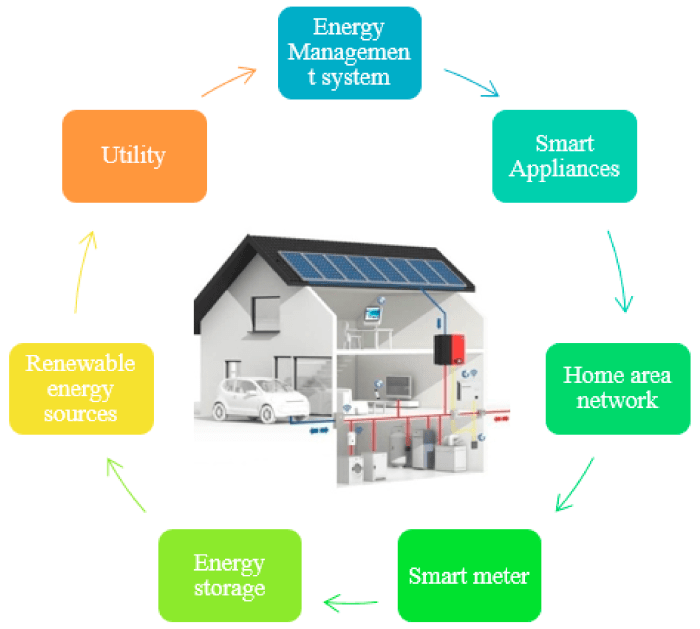
Regular maintenance is crucial to ensure that energy-efficient smart devices continue to operate efficiently. This includes cleaning, checking for any physical damage, and ensuring that the devices are properly connected to the network.Software updates are essential for maintaining optimal performance of energy-efficient smart devices.
These updates often include bug fixes, security patches, and new features that can enhance the overall functionality of the devices. It is important to regularly check for and install these updates to keep the devices running smoothly.
Software Updates for Maintenance
Software updates are typically released by the manufacturers of energy-efficient smart devices to improve performance, fix bugs, and enhance security. It is important to enable automatic updates whenever possible to ensure that your devices are always up to date. Additionally, regularly checking for updates manually is recommended to catch any new releases that may not have been automatically installed.
- Ensure that the devices are connected to the internet to receive updates.
- Check the manufacturer's website or app for information on the latest updates.
- Follow the instructions provided by the manufacturer to install the updates properly.
- Reboot the devices after installing updates to ensure that they are running the latest software version.
Troubleshooting Tips
Even with regular maintenance, issues may still arise with energy-efficient smart devices. Here are some common troubleshooting tips to help address these problems:
- Check the power source to ensure that the devices are properly connected and receiving power.
- Restart the devices by unplugging them, waiting for a few seconds, and plugging them back in.
- Reset the devices to their factory settings if other troubleshooting steps do not work.
- Contact customer support for the manufacturer for further assistance if the issues persist.
Wrap-Up
In conclusion, Energy-Efficient Smart Devices for Sustainable Homes offer a promising solution to reducing energy consumption and promoting eco-friendly living. By integrating these devices into our homes, we take a step towards a more sustainable future for generations to come.
FAQ Insights
What are the key benefits of using Energy-Efficient Smart Devices?
Energy-Efficient Smart Devices help in reducing energy consumption, leading to lower utility bills and a reduced carbon footprint.
How do I choose the right Energy-Efficient Smart Devices for my home?
Consider factors like energy efficiency ratings, compatibility with existing systems, and specific features that align with your sustainability goals.
What types of Energy-Efficient Smart Devices are commonly used in sustainable homes?
Popular devices include smart thermostats, energy-efficient lighting, smart appliances, and solar panels, among others.