Embark on a journey of decluttering and minimalist living with 'Creating a Minimalist Home: What to Keep and What to Let Go.' This topic delves into the art of simplifying your space and making mindful choices about your belongings.
Assessing Your Current Space
When embarking on the journey to create a minimalist home, the first step is to assess your current living space. This involves evaluating each area of your home to determine which items are essential and which ones can be let go of.
Identifying Clutter and Unnecessary Items
Clutter can often accumulate without us even noticing, leading to a sense of overwhelm and disorganization in our living spaces. To identify clutter and unnecessary items, consider the following tips:
- Take a room-by-room approach: Go through each room in your home and assess the items present. Determine if each item serves a purpose or brings you joy.
- Declutter regularly: Make it a habit to declutter your space on a regular basis. This will help prevent items from piling up and becoming overwhelming.
- Consider the 90/90 rule: If you haven't used an item in the last 90 days and don't see yourself using it in the next 90 days, it may be time to let it go.
The Benefits of Decluttering and Creating a Minimalist Environment
Creating a minimalist home has numerous benefits beyond just having a tidy living space. Some of the advantages include:
- Reduced stress: A clutter-free environment can help reduce stress and anxiety, promoting a sense of calm and peace in your home.
- Increased focus: By eliminating distractions and excess items, you can improve your focus and productivity in your daily activities.
- More space: Removing unnecessary clutter can create more physical space in your home, making it feel more open and inviting.
- Simplified cleaning: With fewer items to dust, organize, and maintain, cleaning becomes a simpler and more manageable task.
Minimalist Design Principles
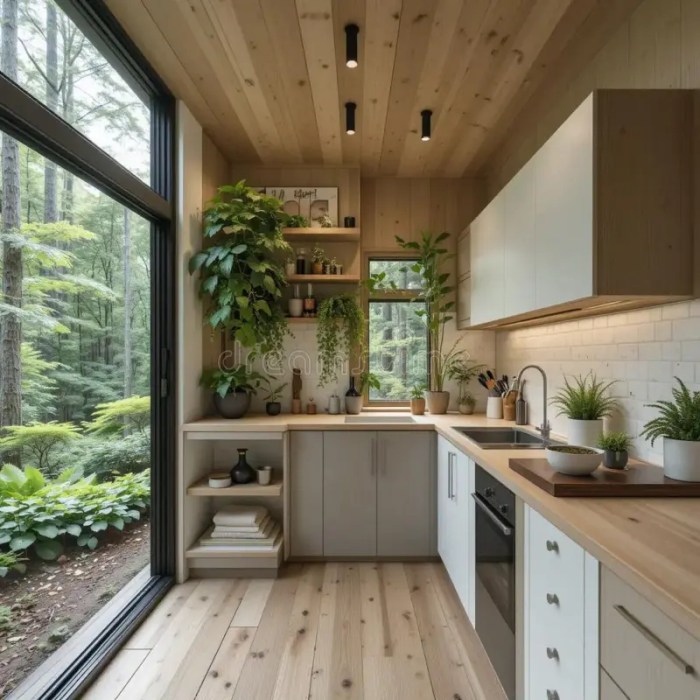
Minimalist design principles focus on simplicity, functionality, and the use of clean lines to create a sense of calm and order in a space. Less is more in minimalist design, with an emphasis on decluttering and only keeping essential items.
Contrast with Maximalism
In contrast to maximalism, which embraces bold colors, patterns, and a more-is-more approach, minimalist design opts for a more muted color palette, minimal decor, and a focus on negative space. Maximalism can feel busy and overwhelming, while minimalism promotes a sense of peace and tranquility.
Examples of Minimalist Furniture and Decor Elements
- Simple, sleek furniture with clean lines and minimal ornamentation.
- Neutral color palette with pops of a single accent color, if any.
- Functional storage solutions to keep clutter out of sight.
- Use of natural materials like wood, metal, and stone.
- Minimal wall art or decor, with a focus on a few statement pieces.
Decluttering Techniques
Decluttering is a crucial step in creating a minimalist home. It involves getting rid of unnecessary items to create a clean and organized space that promotes peace of mind. Below are some effective decluttering methods for different areas of the home, including the application of the KonMari method and tips on organizing sentimental items while maintaining a minimalist space.
Bedroom
- Start by decluttering your closet, donating or selling clothes you no longer wear.
- Clear off surfaces like nightstands and dressers, keeping only essential items like a lamp or alarm clock.
- Consider investing in storage solutions like under-bed storage bins to maximize space.
Kitchen
- Go through your pantry and refrigerator, disposing of expired items and donating non-perishables you won't use.
- Ruthlessly declutter your kitchen gadgets and utensils, keeping only the ones you frequently use.
- Organize your cabinets and drawers, grouping similar items together for easy access.
Living Room
- Remove excess decor and furniture, creating a more open and airy space.
- Declutter entertainment areas like bookshelves and media consoles, keeping only items you truly love or use.
- Implement a one-in, one-out rule for new items brought into the living room to prevent clutter from building up again.
KonMari Method
- The KonMari method, popularized by Marie Kondo, involves decluttering by category rather than by room.
- Start with clothing, then move on to books, papers, komono (miscellaneous items), and sentimental items.
- Hold each item in your hands and decide if it sparks joy. If not, thank it for its service and let it go.
Organizing Sentimental Items
- Create a designated space for sentimental items, such as a memory box or display shelf.
- Rotate sentimental items on display to prevent overwhelming clutter while still cherishing memories.
- Digitize sentimental items like photos or letters to save space while preserving their sentimental value.
Storage Solutions for a Minimalist Home
When it comes to creating a minimalist home, efficient storage solutions play a crucial role in maintaining a clutter-free and organized living space. Innovative storage options can help maximize the available space and keep your home looking sleek and streamlined.
Built-in Storage
One of the most popular storage solutions for a minimalist home is built-in storage. This type of storage seamlessly blends into the architecture of the space, providing a clean and cohesive look. Built-in shelves, cabinets, and closets can be customized to fit your specific needs and help you make the most of every inch of space.
Multi-functional Furniture
Multi-functional furniture is another great option for maximizing storage in a minimalist home. Pieces like ottomans with hidden storage, beds with built-in drawers, and coffee tables with shelving can serve dual purposes while keeping clutter out of sight. Choosing furniture that serves more than one function can help you save space and maintain a minimalist aesthetic.
Hidden Storage
Hidden storage solutions are perfect for maintaining a clean and clutter-free look in a minimalist home. Think about utilizing under-bed storage containers, wall-mounted shelves with hidden compartments, or furniture with concealed storage areas. These clever storage solutions allow you to tuck away items that you don't need daily access to, keeping your space looking tidy and organized.
Last Word

As you ponder over what to keep and what to let go in your quest for a minimalist home, remember that the process is not just about physical objects but also about creating a peaceful and harmonious living environment.
FAQ Compilation
How can I effectively declutter my bedroom?
To declutter your bedroom effectively, start by sorting items into categories, such as clothes, accessories, and personal items. Then, evaluate each category to determine what you truly need and what you can let go of.
What are some key principles of minimalist design?
Minimalist design focuses on simplicity, functionality, and a clean aesthetic. It emphasizes the use of essential elements and a clutter-free space.
How can I maintain an organized space in a minimalist home?
To maintain an organized space in a minimalist home, designate specific storage areas for different items, regularly declutter, and avoid unnecessary purchases that could lead to clutter.