Embark on a journey towards a healthier and more balanced life with 'A Beginner’s Guide to Creating a Wellness-Focused Lifestyle'. This comprehensive guide delves into the various aspects of wellness, providing valuable insights and practical tips to help you kickstart your wellness journey with confidence and enthusiasm.
Explore the key components of physical, mental, emotional, social, and environmental wellness, and discover how simple lifestyle changes can lead to a happier and more fulfilling life.
Introduction to Wellness Lifestyle
A wellness-focused lifestyle encompasses practices and habits that prioritize physical, mental, and emotional well-being. It involves making conscious choices to promote overall health and vitality.
Importance of Incorporating Wellness Practices
Integrating wellness practices into daily routines is crucial for maintaining a balanced and healthy lifestyle. By prioritizing self-care and well-being, individuals can enhance their quality of life and reduce the risk of chronic illnesses.
Benefits of Adopting a Wellness-Focused Lifestyle
- Improved physical health through regular exercise and balanced nutrition.
- Enhanced mental well-being by reducing stress and practicing mindfulness.
- Increased energy levels and productivity throughout the day.
- Better sleep quality and overall relaxation.
- Stronger immune system and decreased susceptibility to illnesses.
Physical Wellness
Maintaining physical wellness is essential for overall health and well-being. It involves focusing on three key components: exercise, nutrition, and sleep.
Exercise
Regular physical activity is crucial for improving cardiovascular health, boosting mood, and increasing overall energy levels. Here are some tips to help beginners start an exercise routine:
- Start slow and gradually increase the intensity of your workouts.
- Choose activities you enjoy to make exercise feel less like a chore.
- Include a mix of cardio, strength training, and flexibility exercises for a well-rounded routine.
- Set realistic goals and track your progress to stay motivated.
Nutrition
Eating a balanced and nutritious diet is key to supporting physical wellness. Here are some healthy eating habits and easy recipes to incorporate into a wellness-focused diet:
- Fill your plate with colorful fruits and vegetables for a variety of vitamins and minerals.
- Choose whole grains over refined grains for added fiber and nutrients.
- Incorporate lean proteins like chicken, fish, tofu, or legumes into your meals.
- Avoid processed foods high in sugar, salt, and unhealthy fats.
Mental Wellness
Mental wellness plays a crucial role in our overall well-being, impacting how we think, feel, and act in our daily lives. It involves managing stress, practicing mindfulness, and taking care of our emotional health.
Stress Management Techniques
Stress is a common part of life, but excessive stress can take a toll on our mental health. Here are some effective stress management techniques:
- Practice deep breathing exercises to calm the mind and body.
- Engage in physical activities like yoga or walking to release tension.
- Set boundaries and learn to say no to tasks that overwhelm you.
- Take short breaks throughout the day to relax and recharge.
Mindfulness Practices
Mindfulness involves being present in the moment and paying attention to your thoughts and feelings without judgment. Here are some mindfulness practices to improve mental wellness:
- Practice meditation regularly to cultivate a sense of inner peace and calm.
- Acknowledge your emotions and thoughts without trying to suppress or avoid them.
- Engage in activities that bring you joy and help you stay present, like painting or gardening.
Improving Mental Health Through Activities
Engaging in activities that promote mental well-being is essential for maintaining a healthy mind. Here are some ways to improve mental health:
- Start a journaling practice to express your thoughts and emotions freely.
- Join a support group or seek therapy to address underlying mental health issues.
- Cultivate a positive mindset by practicing gratitude and focusing on the good in your life.
- Connect with loved ones and build a strong support system for times of need.
Emotional Wellness
Emotional wellness refers to the ability to understand, accept, and effectively manage our emotions. It plays a crucial role in our overall quality of life, impacting our relationships, decision-making, and mental health.
Importance of Self-Care and Setting Boundaries
Self-care and setting boundaries are essential components of emotional wellness. By prioritizing self-care activities such as exercise, meditation, hobbies, or spending time with loved ones, we can recharge and better regulate our emotions
- Practice self-care daily, even if it's just for a few minutes.
- Learn to say no without feeling guilty to protect your time and energy.
- Communicate your needs and boundaries clearly to those around you.
- Acknowledge and validate your emotions without judgment.
Setting boundaries is an act of self-care, not a selfish act.
Strategies for Managing Emotions and Promoting Emotional Well-being
Managing emotions effectively is key to promoting emotional well-being. By developing healthy coping mechanisms and strategies, we can navigate challenges and stressors more successfully.
- Practice mindfulness and deep breathing techniques to stay present and calm.
- Engage in regular physical activity to release endorphins and reduce stress.
- Seek support from friends, family, or a therapist when needed.
- Journal your thoughts and feelings to gain insight and release pent-up emotions.
Social Wellness
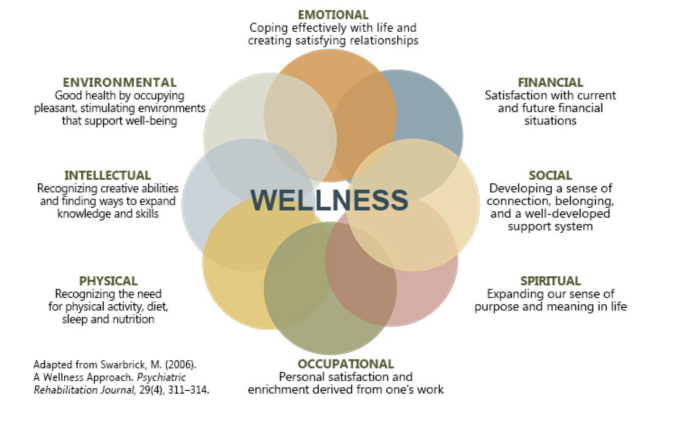
Social connections play a crucial role in maintaining a wellness-focused lifestyle. Building and nurturing healthy relationships can have a positive impact on our overall well-being.
Cultivating Healthy Relationships and Social Support
One way to cultivate healthy relationships is by surrounding yourself with people who uplift and support you. This can include friends, family members, colleagues, or members of a community or group with shared interests. Building a strong support system can provide emotional comfort, encouragement, and a sense of belonging.
- Engage in open and honest communication with your loved ones to strengthen your relationships.
- Listen actively when others are speaking and offer your support when needed.
- Make time for social activities that bring joy and fulfillment, such as spending quality time with friends or participating in group activities.
- Seek out new social connections through clubs, classes, or other community events that align with your interests.
Balance Social Interactions for Overall Well-being
Finding a balance in your social interactions is essential for maintaining your overall well-being. It's important to prioritize quality over quantity in your relationships and ensure that your social interactions contribute positively to your mental and emotional health.
- Set boundaries to protect your time and energy, and prioritize self-care when needed.
- Avoid overcommitting yourself socially and learn to say no when necessary.
- Recognize when a relationship may be causing more harm than good and be willing to make necessary adjustments or distance yourself if needed.
- Find a balance between socializing in person and taking time for yourself to recharge and reflect.
Environmental Wellness
Environmental wellness refers to the awareness of the delicate balance between the environment and personal health. It involves making choices that contribute to a healthier planet while also benefiting our own well-being. By taking care of our environment, we ultimately take care of ourselves.
Sustainable Living Practices
- Reduce, Reuse, Recycle: Embrace the mantra of reducing waste by using items for as long as possible, finding new uses for old items, and recycling materials whenever possible.
- Conserve Energy: Choose energy-efficient appliances, turn off lights when not in use, and use natural light whenever possible to reduce energy consumption.
- Eco-Friendly Transportation: Opt for walking, biking, carpooling, or using public transportation to reduce carbon emissions and promote a healthier environment.
- Grow Your Own Food: Start a small garden to grow your own fruits, vegetables, and herbs, reducing the carbon footprint associated with food transportation and promoting a healthier diet.
Creating a Healthy and Eco-Friendly Living Space
- Use Non-Toxic Cleaning Products: Switch to environmentally-friendly cleaning products to reduce exposure to harmful chemicals and keep your living space safe and healthy.
- Introduce Plants: Indoor plants not only improve air quality but also add a touch of nature to your living space, promoting a sense of calm and well-being.
- Avoid Single-Use Plastics: Opt for reusable containers, bags, and utensils to reduce plastic waste and protect the environment from pollution.
- Conserve Water: Fix any leaks, take shorter showers, and collect rainwater for plants to conserve water and reduce your environmental impact.
Final Summary
As we conclude this enlightening discussion on creating a wellness-focused lifestyle, remember that small changes can make a big difference in your overall well-being. By prioritizing self-care, healthy relationships, and a positive environment, you are taking important steps towards a life filled with vitality and joy.
Common Queries
What are some simple ways to incorporate wellness practices into daily routines?
Start by setting aside time for physical activity, practicing mindfulness, and making healthy food choices. Small changes like taking short walks, deep breathing exercises, and meal planning can go a long way in enhancing your overall well-being.
Continue this structure for all FAQs