Embark on a journey towards sustainable living with tips that not only benefit your wallet but also the environment. Learn how simple changes in your daily habits can make a significant impact.
Explore the world of sustainable living practices, energy efficiency, waste reduction, recycling, and sustainable transportation to pave the way for a greener future.
Sustainable Living Practices
Sustainable living involves making choices that reduce our environmental impact, conserve resources, and promote a healthier lifestyle. By adopting sustainable practices, individuals can not only save money in the long run but also contribute to a more sustainable and eco-friendly future.
Examples of Sustainable Living Practices
- Reducing energy consumption by using energy-efficient appliances and turning off lights when not in use.
- Opting for public transportation, biking, or carpooling to reduce carbon emissions and save on fuel costs.
- Practicing composting to reduce waste sent to landfills and create nutrient-rich soil for gardening.
- Choosing locally sourced and organic food to support local farmers, reduce carbon footprint from transportation, and promote healthier eating habits.
Benefits of Sustainable Living for the Environment
Adopting sustainable habits not only benefits individuals but also has a positive impact on the environment. Some of the ways in which sustainable living benefits the environment include:
- Reducing greenhouse gas emissions and mitigating climate change.
- Conserving water resources and protecting water quality.
- Preserving biodiversity and ecosystems by reducing habitat destruction and pollution.
Importance of Adopting Sustainable Habits for Long-Term Savings
Embracing sustainable habits is crucial for long-term savings and environmental preservation. By reducing waste, conserving resources, and making conscious choices, individuals can lower their utility bills, decrease their carbon footprint, and contribute to a more sustainable future for generations to come.
Energy Efficiency
Reducing energy consumption at home is not only beneficial for the environment but can also lead to significant cost savings on utility bills. By adopting energy-efficient practices and upgrading to energy-efficient appliances, households can lower their carbon footprint while enjoying a more sustainable lifestyle.
Tips for Reducing Energy Consumption
- Switch to LED light bulbs, which consume less energy and last longer than traditional incandescent bulbs.
- Use programmable thermostats to regulate heating and cooling systems efficiently.
- Unplug electronics when not in use to prevent phantom energy consumption.
- Seal windows and doors to prevent energy loss through drafts.
Comparison of Energy-Efficient Appliances
| Appliance | Energy Consumption | Cost |
|---|---|---|
| Refrigerator | Energy Star certified models consume 15% less energy than standard models. | Initial cost may be higher, but savings on energy bills over time make up for it. |
| Washing Machine | Front-loading machines use less water and energy compared to top-loading machines. | Higher efficiency may come with a slightly higher price tag, but savings on water and energy usage are significant. |
Benefits of Energy-Efficient Upgrades
- Lower utility bills due to reduced energy consumption.
- Extended lifespan of appliances, saving on replacement costs.
- Reduced greenhouse gas emissions, contributing to a healthier environment.
Environmental Impact of Energy-Saving Practices
- Decreased reliance on fossil fuels for energy production, reducing carbon emissions.
- Conservation of natural resources like water and coal used in electricity generation.
- Promotion of sustainable living practices that benefit future generations.
Waste Reduction and Recycling
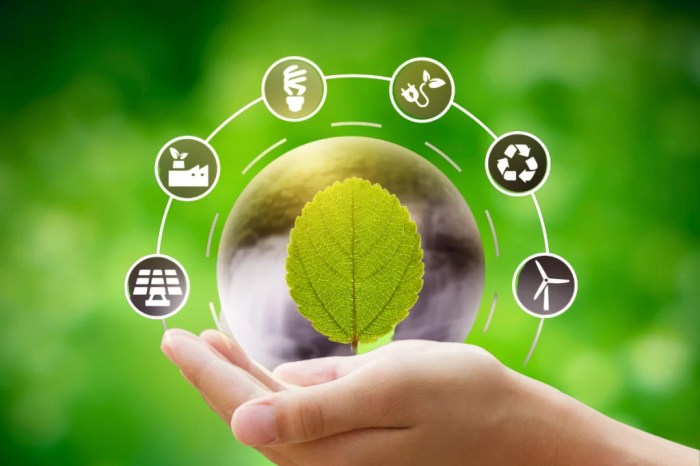
Reducing waste and increasing recycling are crucial steps towards sustainable living. Not only does it help in conserving resources and protecting the environment, but it can also lead to cost savings in the long run. By repurposing items at home and recycling common household materials, we can make a significant impact on our planet.
Strategies for Waste Reduction and Recycling
- Reduce single-use items: Opt for reusable products instead of disposable ones to minimize waste.
- Separate waste for recycling: Sort your waste into recyclables and non-recyclables to make recycling easier.
- Compost organic waste: Turn food scraps and yard waste into nutrient-rich compost for your garden.
- Donate or sell items: Instead of throwing away usable items, consider donating or selling them to give them a new life.
Creative Ways to Repurpose Items at Home
- Turn old jars into storage containers or vases.
- Use old clothes for cleaning rags or DIY projects.
- Repurpose wooden pallets into furniture or garden decor.
- Create art or crafts from items that would otherwise be thrown away.
Financial Benefits of Waste Reduction through Recycling
- Save money on purchasing new items by repurposing old ones.
- Reduce waste disposal costs by recycling materials instead of sending them to the landfill.
- Earn extra cash by selling recyclable materials to recycling centers.
Recycling Common Household Materials
- Plastic: Check the recycling codes on plastic items and ensure they are clean and dry before recycling.
- Paper: Recycle newspapers, magazines, cardboard, and other paper products to save trees and energy.
- Glass: Separate glass containers by color and recycle them to reduce the need for raw materials in glass production.
- Metal: Recycle aluminum cans, steel cans, and other metal items to conserve resources and reduce waste.
Sustainable Transportation

Public transportation and carpooling offer numerous advantages for both the environment and your wallet. By utilizing these options, you can reduce greenhouse gas emissions, decrease traffic congestion, and save money on fuel and maintenance costs.
Advantages of Public Transportation and Carpooling
- Significantly reduces carbon emissions compared to individual car use.
- Lowers traffic congestion, leading to less time spent commuting.
- Saves money on gas, parking fees, and vehicle maintenance.
Eco-friendly Transportation Alternatives
- Biking and walking are excellent eco-friendly alternatives to driving.
- These modes of transportation produce zero emissions and promote physical activity.
- By biking or walking for short distances, you can reduce your carbon footprint and improve your health.
Cost Savings from Reducing Personal Vehicle Use
- Reducing personal vehicle use can result in significant savings on fuel, maintenance, and insurance costs.
- By opting for public transportation, carpooling, biking, or walking, you can cut down on expenses associated with owning and operating a car.
- Investing in sustainable transportation options can lead to long-term financial benefits.
Tips for Vehicle Maintenance and Longevity
- Regularly servicing your vehicle can improve its fuel efficiency and prolong its lifespan.
- Properly inflating tires, changing oil on time, and keeping up with maintenance schedules can save you money in the long run.
- Consider carpooling or using public transportation for daily commutes to reduce wear and tear on your vehicle.
Final Summary
In conclusion, by incorporating sustainable living tips into your lifestyle, you can contribute to a healthier planet while saving money in the long run. Start making small changes today for a more sustainable tomorrow.
Question Bank
How can I start living sustainably on a budget?
You can start by reducing energy consumption, minimizing waste, and opting for eco-friendly transportation options. Small changes like using reusable items and shopping locally can also make a difference.
Are sustainable living practices difficult to adopt?
While it may require some adjustment initially, sustainable living practices can easily become part of your routine with time. Start with simple changes and gradually incorporate more eco-friendly habits into your lifestyle.
Is sustainable living only about saving money?
Sustainable living encompasses both financial savings and environmental benefits. By reducing your carbon footprint and conserving resources, you contribute to a healthier planet for future generations.