Exploring 10 Daily Habits to Boost Your Physical and Mental Wellness, this introduction delves into the importance of daily routines in enhancing overall well-being. With a mix of practical tips and insightful information, readers are invited to embark on a journey towards a healthier lifestyle.
This paragraph sets the stage for a comprehensive discussion on how simple daily habits can make a significant impact on our physical and mental health.
Introduction to Daily Habits
Establishing daily habits plays a crucial role in enhancing both physical and mental well-being. Consistent routines can help improve overall health, productivity, and happiness.
Healthy Eating Habits
One of the most common daily habits that can positively impact wellness is maintaining a nutritious diet. Consuming a balanced mix of fruits, vegetables, whole grains, and lean proteins provides essential nutrients for the body to function optimally.
Regular Exercise Routine
Incorporating physical activity into your daily routine is vital for boosting physical fitness and mental clarity. Whether it's a brisk walk, yoga session, or weight training, regular exercise helps reduce stress, improve mood, and enhance overall well-being.
Adequate Sleep Patterns
Prioritizing quality sleep by establishing a consistent bedtime routine and getting 7-9 hours of rest each night is essential for mental and physical health. A good night's sleep enhances cognitive function, mood regulation, and overall energy levels.
Hydration Practices
Drinking an adequate amount of water throughout the day is a simple yet powerful habit that supports physical and mental wellness. Staying hydrated helps maintain proper bodily functions, enhances cognitive performance, and boosts energy levels.
Regular Exercise
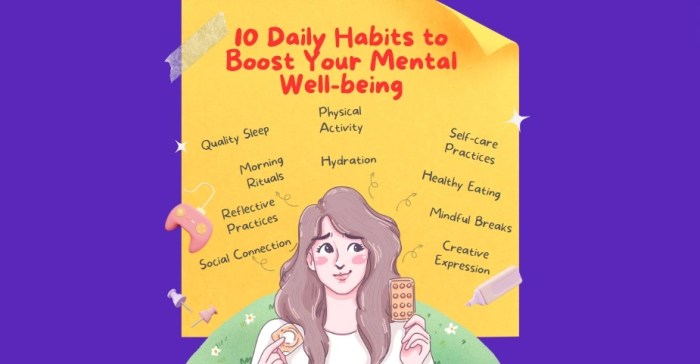
Regular exercise is crucial for maintaining both physical and mental wellness. Engaging in daily physical activity has numerous benefits that contribute to overall health and well-being. Exercise not only helps in improving physical fitness but also plays a significant role in boosting mental health.Exercise has been proven to reduce the risk of chronic diseases such as cardiovascular issues, diabetes, and obesity.
It also helps in maintaining a healthy weight, improving muscle strength, and promoting better sleep quality. Furthermore, regular exercise is known to enhance cognitive function and reduce symptoms of anxiety and depression.
Simple Exercises for Daily Routine
Incorporating simple exercises into your daily routine can make a big difference in your overall well-being. Some examples of exercises that can easily be done at home or outdoors include:
- Brisk walking or jogging
- Bodyweight exercises like push-ups, squats, and lunges
- Yoga or stretching routines
- Dancing or aerobics
Regularly engaging in these activities can help improve cardiovascular health, increase muscle tone, and enhance flexibility.
Increased Energy Levels and Improved Mood
Exercise plays a crucial role in boosting energy levels and improving mood. Physical activity stimulates the release of endorphins, also known as "feel-good" hormones, which can help reduce stress, anxiety, and feelings of depression. Additionally, regular exercise increases blood flow and oxygen to the brain, promoting mental clarity and alertness throughout the day.By incorporating daily exercise into your routine, you can experience a significant improvement in both your physical health and mental well-being.
Healthy Eating Habits
Maintaining a balanced diet is crucial for overall wellness as it provides the necessary nutrients for the body to function optimally. A healthy diet can help in weight management, reduce the risk of chronic diseases, improve energy levels, and support mental health.
Significance of Healthy Meal Plans
Creating healthy meal plans involves incorporating a variety of nutrient-dense foods such as fruits, vegetables, whole grains, lean proteins, and healthy fats. These foods provide essential vitamins, minerals, antioxidants, and fiber that are beneficial for the body. Planning meals ahead of time can help avoid unhealthy food choices and ensure that you are meeting your nutritional needs.
- Aim to include a colorful variety of fruits and vegetables in your meals to ensure a wide range of nutrients.
- Choose whole grains like quinoa, brown rice, and whole wheat bread over refined grains for added fiber and nutrients.
- Incorporate lean proteins such as poultry, fish, beans, and legumes to support muscle growth and repair.
- Include healthy fats from sources like nuts, seeds, avocado, and olive oil to support brain health and reduce inflammation.
Nutrition's Impact on Cognitive Function
Nutrition plays a significant role in cognitive function and emotional well-being. Consuming a diet rich in brain-boosting nutrients like omega-3 fatty acids, antioxidants, vitamins, and minerals can enhance memory, focus, and mood stability. Eating a balanced diet can also help reduce the risk of cognitive decline and improve overall mental health.
- Omega-3 fatty acids found in fatty fish like salmon and walnuts are essential for brain health and can improve cognitive function.
- Antioxidants from fruits and vegetables help protect brain cells from damage and support cognitive performance.
- Vitamins like B12 and folate are important for neurotransmitter function and can help regulate mood and reduce the risk of depression.
- Minerals like iron, zinc, and magnesium play a role in cognitive function, energy production, and stress management.
Quality Sleep
Getting an adequate amount of quality sleep each night is crucial for both physical and mental well-being. Sleep plays a vital role in restoring the body, consolidating memories, and regulating mood. Here are some strategies to improve sleep quality and establish a bedtime routine.
Strategies for Improving Sleep Quality
- Avoid caffeine and electronics close to bedtime.
- Create a relaxing bedtime routine, such as reading a book or taking a warm bath.
- Maintain a consistent sleep schedule by going to bed and waking up at the same time every day.
- Ensure your sleep environment is comfortable, quiet, and dark.
Effects of Sleep Deprivation
Sleep deprivation can have significant negative effects on physical health and mental clarity. It can lead to an increased risk of chronic conditions like obesity, heart disease, and diabetes. Additionally, lack of sleep can impair cognitive function, memory, and decision-making abilities.
Prioritizing quality sleep is essential for overall well-being.
Stress Management Techniques
Stress is a common part of everyday life, but it's important to have strategies in place to manage and reduce its impact on your physical and mental well-being. By incorporating stress management techniques into your daily routine, you can improve your overall health and quality of life.
Relaxation Techniques
- Meditation: Taking a few minutes each day to practice meditation can help calm the mind and reduce stress levels. Focus on your breath and allow yourself to be present in the moment.
- Deep Breathing: Deep breathing exercises can help lower cortisol levels and promote relaxation. Take slow, deep breaths in through your nose and out through your mouth.
- Mindfulness Practices: Engaging in mindfulness activities, such as yoga or tai chi, can help you stay grounded and reduce feelings of stress and anxiety.
Impact of Stress
Stress can have a detrimental effect on both your body and mind if left unchecked. Chronic stress can lead to a variety of health issues, including high blood pressure, insomnia, and depression. It's important to recognize the signs of stress and take steps to manage it effectively.
Social Connections
Having strong social connections plays a crucial role in boosting our mental wellness. Meaningful relationships and staying connected with others can have a positive impact on our overall well-being. Social interactions provide us with a sense of belonging, support, and companionship, which are essential for maintaining good mental health.
Tips for Fostering Meaningful Relationships
- Make time for social activities and prioritize spending time with friends and family.
- Engage in open and honest communication to build trust and intimacy in relationships.
- Show empathy and support towards others to strengthen bonds and connections.
- Participate in group activities or join clubs that align with your interests to meet like-minded individuals.
The Importance of Social Support in Times of Stress
Social support is crucial during challenging times or periods of stress. Having a strong network of friends and family members can provide emotional reassurance, practical help, and different perspectives to cope with difficulties. It is important to reach out and lean on others for support when needed, as sharing burdens and experiences with loved ones can alleviate stress and promote mental well-being.
Mindfulness and Meditation
Practicing mindfulness and meditation daily can have numerous benefits for both your physical and mental well-being. These practices help you stay present, reduce stress, and improve overall focus and emotional balance.
Benefits of Mindfulness and Meditation
- Reduced stress and anxiety levels
- Improved focus and concentration
- Promotion of emotional balance
- Enhanced self-awareness
- Better management of negative emotions
Techniques for Incorporating Mindfulness into Everyday Activities
- Start your day with a few minutes of deep breathing or a short meditation session.
- Practice mindfulness while doing daily tasks such as washing dishes or taking a walk by focusing on the present moment.
- Use mindfulness apps or guided meditation videos to help you stay consistent with your practice.
- Take short mindfulness breaks throughout the day to check in with your thoughts and feelings.
- Practice gratitude by reflecting on things you are thankful for each day.
How Mindfulness Can Improve Focus, Reduce Anxiety, and Promote Emotional Balance
- Mindfulness helps train your brain to focus on the present moment, reducing distractions and improving concentration.
- By practicing mindfulness, you can learn to observe your thoughts and emotions without judgment, leading to reduced anxiety and stress.
- Regular mindfulness practice can promote emotional balance by helping you respond to situations with clarity and composure rather than react impulsively.
- Over time, mindfulness can help rewire your brain, leading to improved overall well-being and resilience to life's challenges.
Time Management
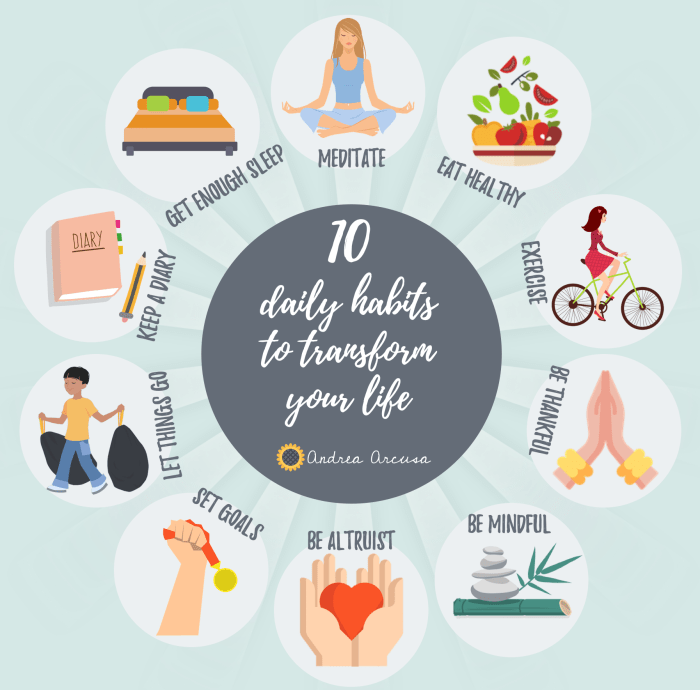
Effective time management plays a crucial role in reducing stress levels and enhancing productivity. It involves prioritizing tasks, setting goals, and creating daily schedules to make the most of your time. By managing your time efficiently, you can experience a sense of control over your day, leading to improved overall well-being and mental clarity.
Strategies for Time Management
- Prioritize tasks based on importance and deadlines to focus on what truly matters.
- Set specific, achievable goals to guide your daily activities and measure your progress.
- Create a daily schedule or to-do list to organize your tasks and allocate time effectively.
- Break down larger tasks into smaller, manageable steps to avoid feeling overwhelmed.
- Use tools such as calendars, planners, or digital apps to help you stay organized and on track.
Hobbies and Recreation
Engaging in hobbies and recreational activities is essential for maintaining good mental wellness. These activities provide a break from the daily routine, reduce stress, and promote relaxation, leading to a healthier mind and body.
Examples of Activities
- Reading a book or listening to music
- Gardening or spending time in nature
- Painting, drawing, or other creative pursuits
- Playing a musical instrument or singing
- Practicing yoga or tai chi
Benefits of Pursuing Interests
- Stress Reduction: Hobbies and recreational activities offer a healthy outlet for stress, promoting relaxation and emotional well-being.
- Improved Mood: Engaging in activities you enjoy can boost your mood and overall happiness.
- Enhanced Creativity: Exploring new hobbies can stimulate creativity and problem-solving skills.
- Increased Energy: Taking time for recreational activities can re-energize you and improve focus and productivity.
- Healthy Work-Life Balance: Pursuing interests outside of work helps maintain a balance between personal and professional life.
Self-Care Practices
Self-care is the practice of taking deliberate actions to preserve or improve one's physical, mental, and emotional well-being. It involves prioritizing activities that promote relaxation, stress reduction, and overall health. Engaging in self-care routines is essential for maintaining a healthy balance in life and preventing burnout.
Importance of Self-Care
Self-care plays a crucial role in maintaining physical and mental health. By taking the time to care for yourself, you can reduce stress, boost your mood, increase productivity, and improve your overall quality of life. Neglecting self-care can lead to feelings of overwhelm, exhaustion, and decreased well-being.
- Setting Boundaries: Establishing boundaries in your personal and professional life is crucial for maintaining a healthy balance. Learn to say no to activities or commitments that drain your energy and prioritize tasks that bring you joy and fulfillment.
- Practicing Self-Compassion: Treat yourself with kindness and understanding, especially during challenging times. Practice self-compassion by acknowledging your strengths and limitations, and avoid self-criticism.
- Taking Breaks: Allow yourself time to rest and recharge. Schedule regular breaks throughout your day to relax, engage in activities you enjoy, and reset your mind. Taking breaks can help improve focus, creativity, and overall well-being.
Benefits of Self-Care Routines
Engaging in regular self-care routines can have a positive impact on your physical and mental health. By prioritizing self-care, you can reduce stress levels, improve sleep quality, boost your immune system, and enhance your overall sense of well-being. Incorporating self-care practices into your daily routine can help you lead a more balanced and fulfilling life.
Conclusion
In conclusion, the 10 Daily Habits to Boost Your Physical and Mental Wellness offer a roadmap to a more balanced and fulfilling life. By incorporating these practices into your daily routine, you can take proactive steps towards improving your well-being in the long run.
Q&A
How can daily habits impact both physical and mental wellness?
Daily habits play a crucial role in shaping our overall well-being by influencing our physical health through regular exercise, healthy eating, quality sleep, stress management, and mental well-being through mindfulness, social connections, self-care practices, and more.
What are some simple exercises that can be done daily to boost physical and mental health?
Simple exercises like walking, jogging, yoga, or bodyweight workouts can be easily incorporated into daily routines to improve physical fitness and mental well-being.
How does social connection contribute to mental wellness?
Social connections provide emotional support, reduce feelings of isolation, and promote a sense of belonging, all of which are essential for maintaining good mental health and well-being.
Why is self-care important for physical and mental health?
Self-care practices help individuals recharge, manage stress, and prevent burnout by prioritizing their own well-being and setting boundaries to maintain a healthy balance in life.